
Use narrow vertical storage.
Slim cabinets, tall shelving, wall organizers, and hanging systems increase capacity without consuming much floor area.
Room-by-Room Ideas
Every room has a different rhythm. These ideas help you create clearer zones, improve storage access, and choose organization solutions that make daily routines easier to maintain.
A room-first approach
Before deciding what storage to add, notice what the room is asking you to do. Where do items naturally land? Which supplies are used together? Which shelves are difficult to reach? What repeatedly ends up on the floor or counter?
When storage follows those answers, the room becomes easier to reset because the system works with everyday behavior instead of against it.
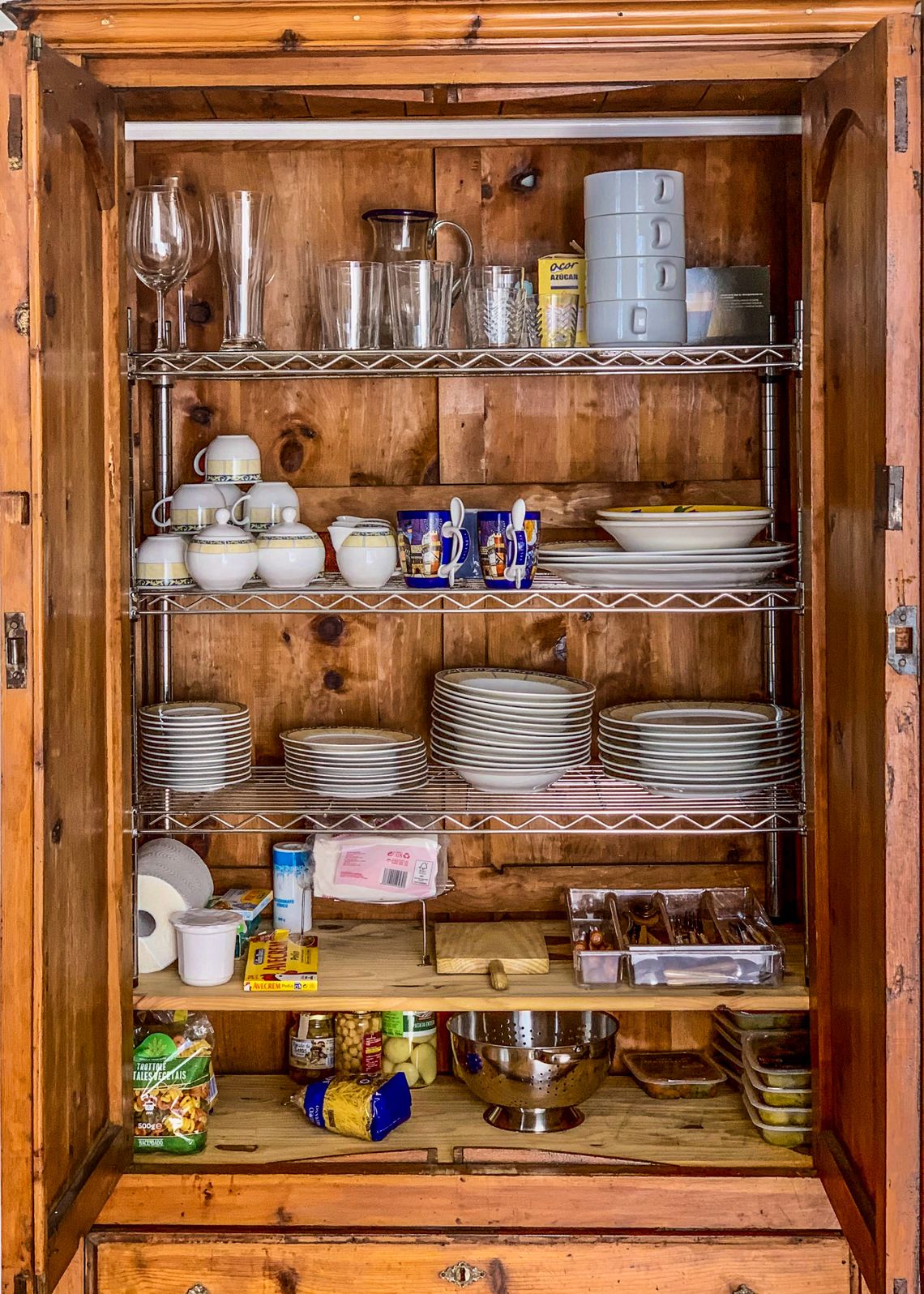
Kitchen & pantry ideas
A useful kitchen system reduces searching. Keep ingredients near where they are prepared, cooking tools close to the heat source, and frequently used pantry items within easy reach.
Group breakfast items, baking supplies, snacks, grains, sauces, and meal staples so related items move together.
Turntables, sliding drawers, and pull-out systems help prevent items from disappearing behind one another.
Use inserts and dividers so utensils, tools, cutlery, or food-prep items do not compete for the same space.
Only everyday essentials should earn permanent counter space; occasional-use items can move into cabinet storage.
Closet & bedroom ideas
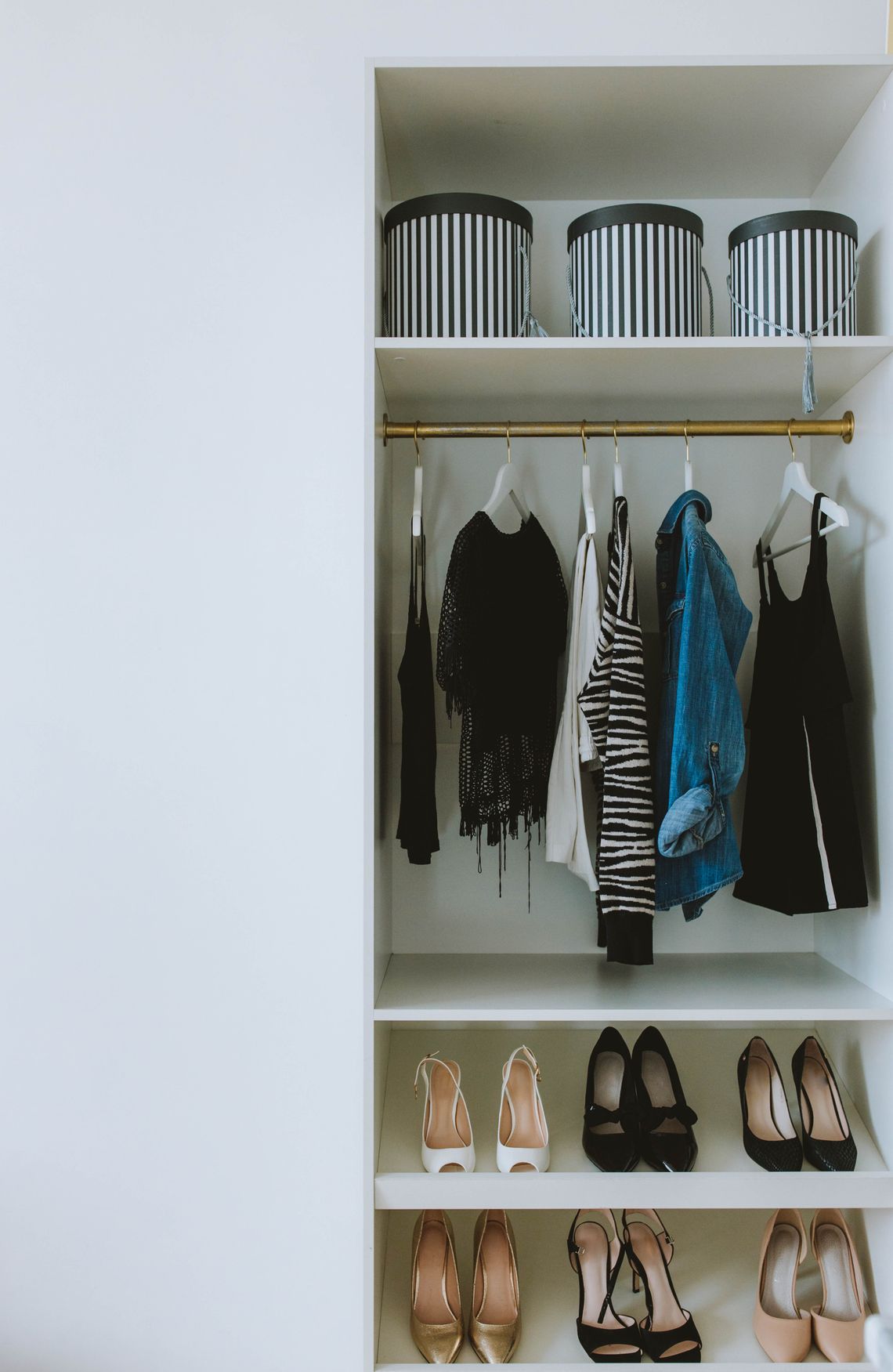
Bedrooms often lose usable storage above, below, and behind the obvious zones. Treat the closet, under-bed area, bedside space, and vertical wall area as one connected system.
Move less-used or off-season items higher, lower, or under the bed to protect prime reach zones.
A dedicated shoe tower, rack, or slim cabinet keeps the floor from becoming the default storage area.
Baskets and fabric organizers work well for scarves, bags, hats, linens, and items that do not need rigid compartments.
Rolling drawers and low-profile bins can hold seasonal clothing, extra bedding, or low-frequency items without adding furniture.
Bathroom & laundry ideas
Bathrooms and laundry areas are easiest to maintain when daily-use items stay in the active zone while refills, bulk supplies, and occasional-use products move into secondary storage.
Daily skincare, grooming tools, and frequently used personal items.
Backups, larger bottles, cleaning products, and less-used supplies.
Only the products actively used in the shower or bath routine.
Sorting hampers, detergent, stain treatment, folding supplies, and cleaning tools.
Living, office & entry ideas
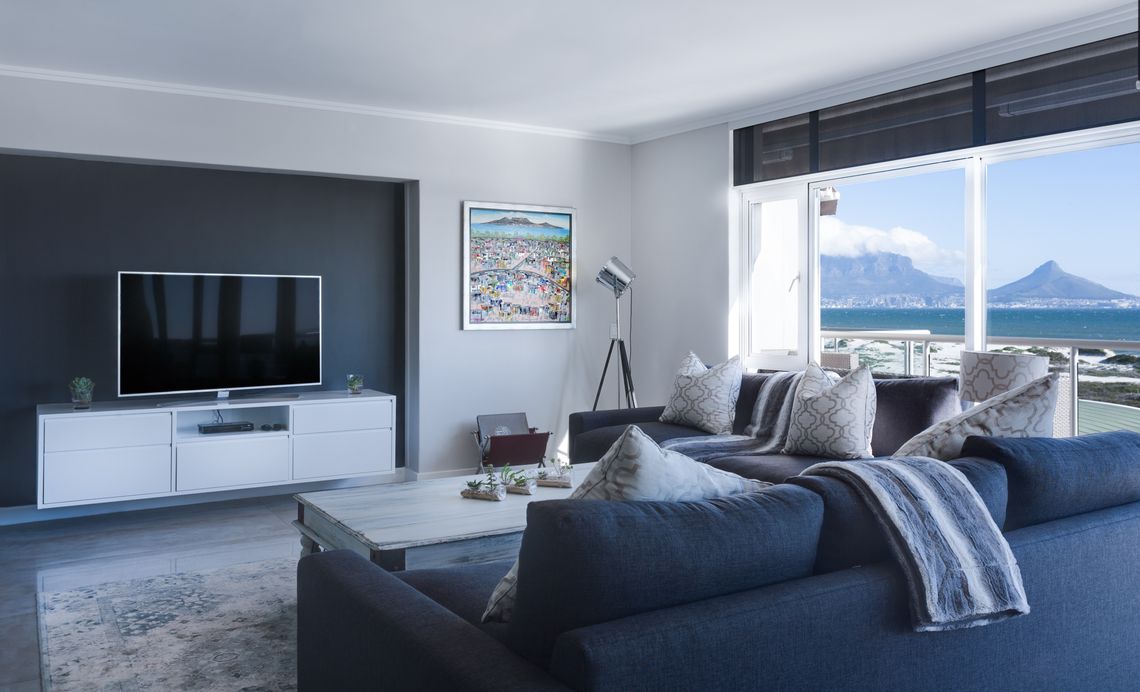
Rooms that serve several purposes collect clutter faster because unrelated routines overlap. The solution is to create small, visible zones for arrivals, work, relaxation, charging, papers, shoes, and everyday carry items.
Use one entryway zone for shoes, keys, bags, coats, and items that regularly move in and out of the home.
Use cable boxes, sleeves, raceways, or under-desk storage to reduce visual clutter around the workspace.
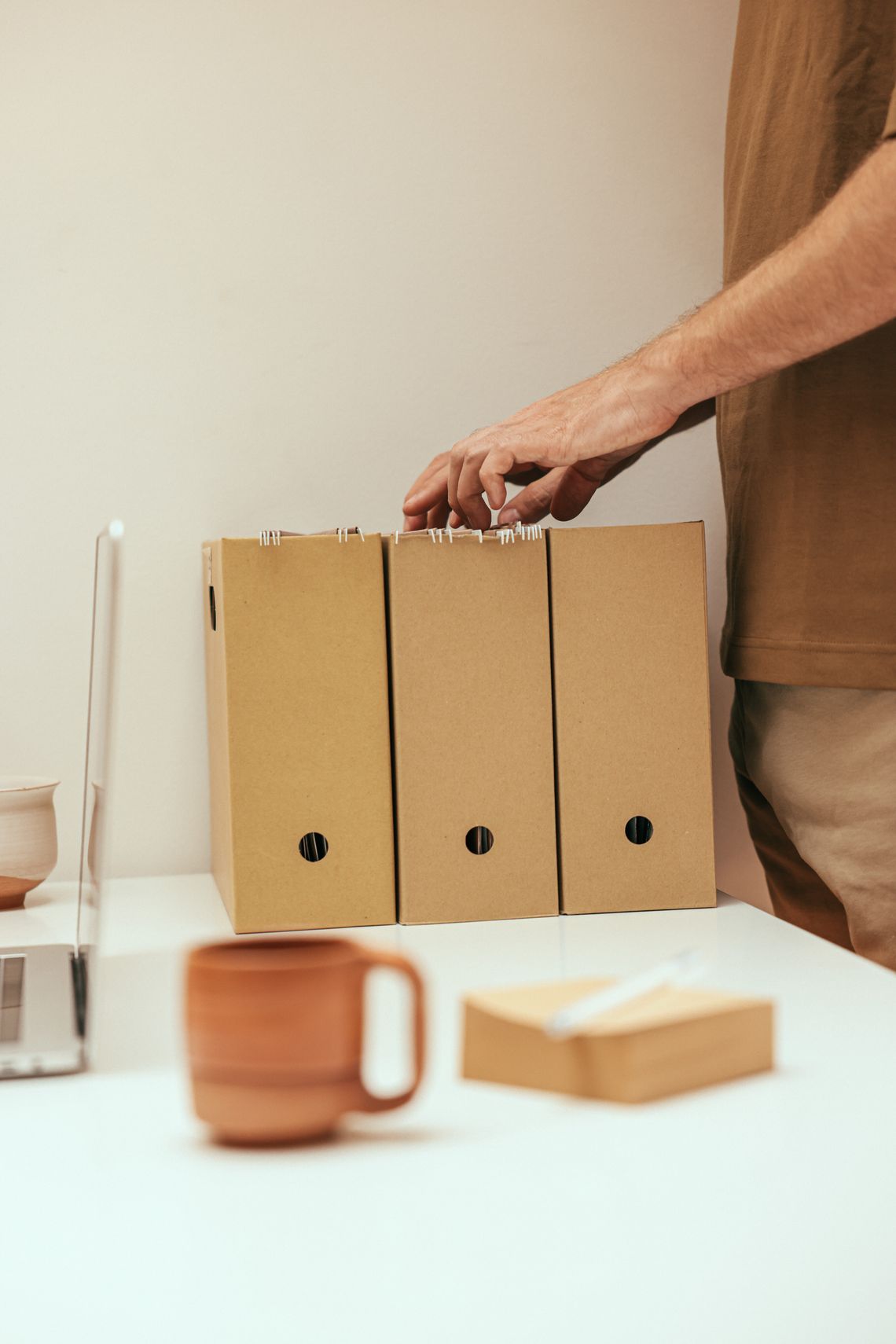
Give paperwork, chargers, remotes, and small accessories a contained place rather than allowing them to live permanently on tables.
Benches, consoles, sideboards, and shelving can support both the room visually and its everyday organization needs.
Ideas for smaller rooms
Small rooms benefit from fewer categories, stronger vertical storage, and furniture that does more than one thing.
Slim cabinets, tall shelving, wall organizers, and hanging systems increase capacity without consuming much floor area.
When many categories share one room, doors, drawers, and lidded bins can help reduce visual noise.
Storage should not make a small room harder to move through. Keep walkways, doors, and frequently used furniture clear.
Under-bed and low-profile rolling storage can hold bulky or seasonal items without adding another visible cabinet.
Keep backups and extras in one defined location so excess stock does not spread into every room.
Prime storage should belong to the items you use most often, not things that are simply convenient to place there.
The one-hour room reset
Use this sequence when a room feels cluttered but you do not have time for a full overhaul.
Take out trash, empty packaging, misplaced items, and anything that clearly belongs elsewhere.
Bring together what belongs to the same routine, person, or task.
Focus on the drawer, shelf, counter, or floor area creating the most friction.
Give frequently used items an obvious location and move low-frequency items out of prime space.
Stop before every shelf is full so the system has enough breathing room to work in daily life.
Need help with an order?
For product, order, delivery, return, or exchange questions, send the relevant details and the support team can help with the next step.